
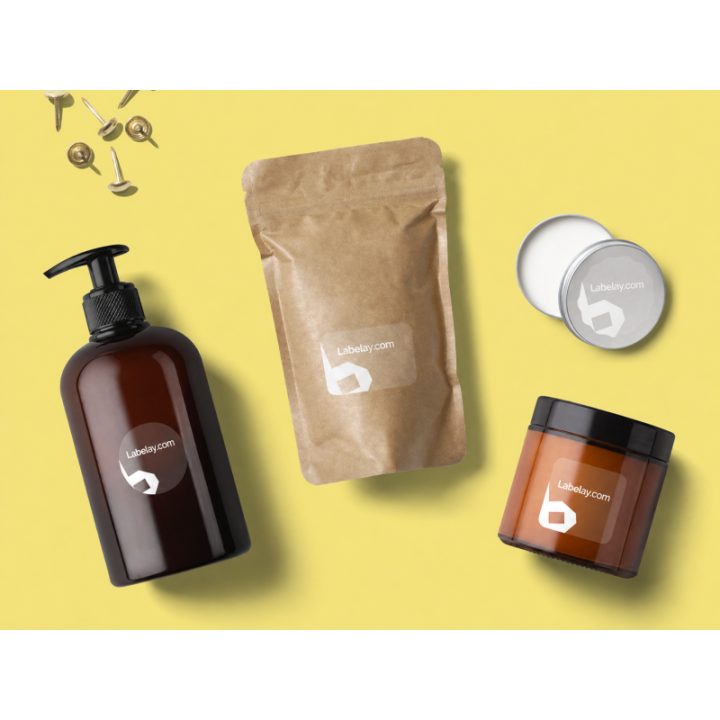
Beverage packaging is unusually visual because the bottle and the liquid often become part of the design. A clear drink can support a transparent label, an amber bottle can add warmth, and a bright beverage can become the background behind the artwork.
At the same time, many beverages are chilled, so condensation and wet handling matter. That means the material decision should balance appearance with real use rather than focusing only on shelf mockups.
Clear labels work when the beverage should stay visible
Clear Labels can create a direct-on-bottle appearance that works especially well with attractive liquids and transparent containers. The artwork should be designed around what will show through the unprinted areas.
If brand colors or white text need stronger opacity, plan a white layer. The practical difference between transparent color, underprint and spot white is covered in How White Ink Works on Clear Labels.
White labels control the background
White Labels are useful when the beverage color changes between flavors or when small text needs a stable high-contrast background. The printed result is less dependent on the liquid behind the label.
For product lines with many flavors, that consistency can make the brand system easier to manage while still allowing color-coded accents.
Metallic labels create selective visual emphasis
Silver and gold materials can add reflected areas to craft beverages, mixers, specialty drinks or limited editions. The best results usually come from allowing some of the material to remain visible instead of covering every part with opaque print.
Compare Silver Metallic and Gold Metallic Labels if the package needs more visual impact than standard white or clear film.
Cold-use testing still matters
If the bottle will be refrigerated or placed in ice, test the real package in those conditions. Condensation can change appearance and handling even when the label face itself looks excellent at room temperature.
Read our water-resistance guide, then use Get an Instant Price once material, size and quantity are established.
Turn the guide into a real specification.
Choose your material, size, shape, finish and quantity, then see the price before checkout.