
How to Choose Label Material for Refrigerated Products
Cold bottles and jars introduce condensation, repeated temperature changes and wet handling. Learn what to consider when choosing label material for refrigerated packaging.
LABEL GUIDES
Practical guidance on materials, artwork, packaging and ordering — written for brands that want fewer print surprises and a cleaner finished product.
Cold bottles and jars introduce condensation, repeated temperature changes and wet handling. Learn what to consider when choosing label material for refrigerated packaging.
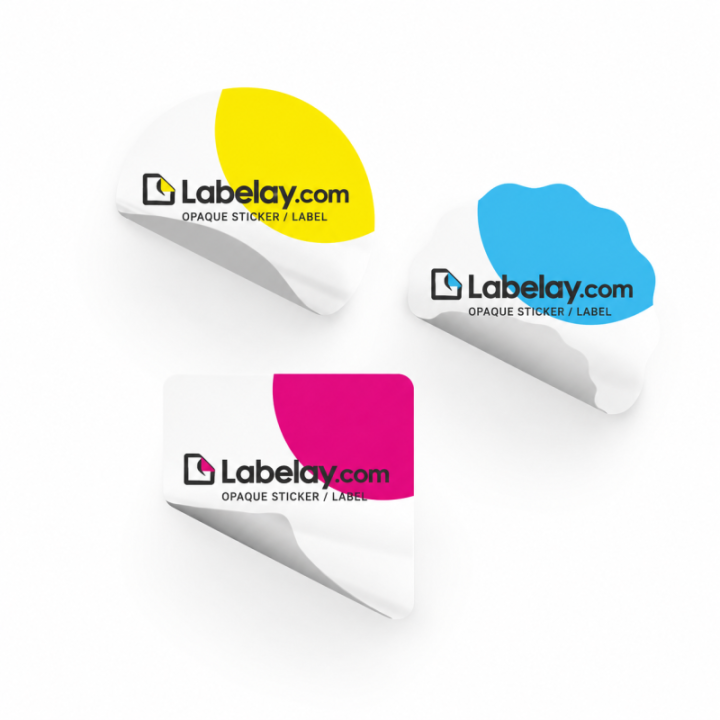
Matte and gloss finishes can make the same label design feel completely different. Learn how reflection, color, photography and package style should guide the choice.
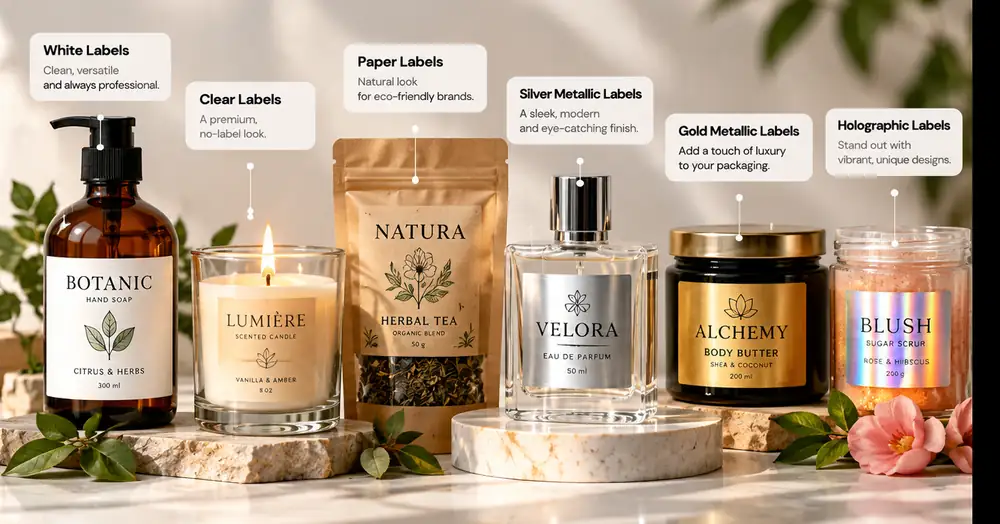
Paper and BOPP labels can both look excellent, but they solve different packaging problems. Compare appearance, moisture exposure, surface feel and design priorities before choosing.
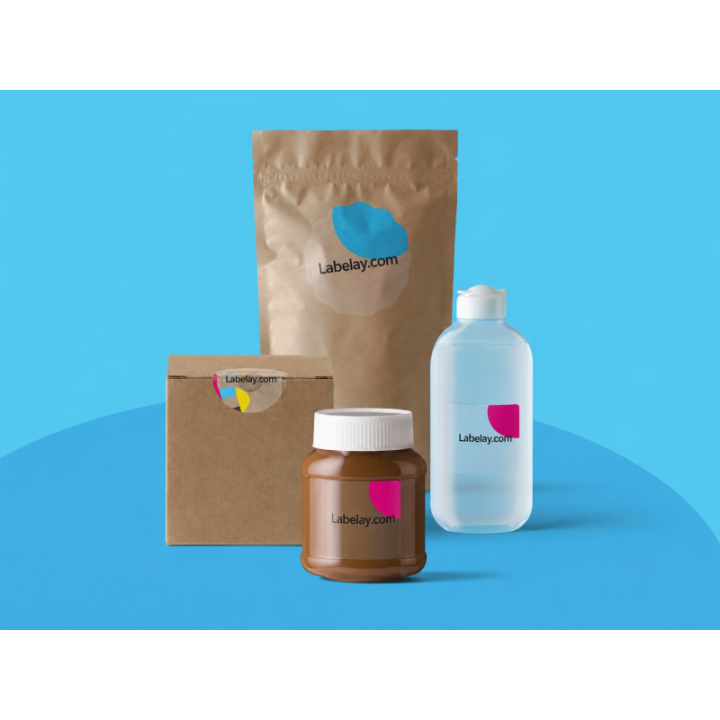
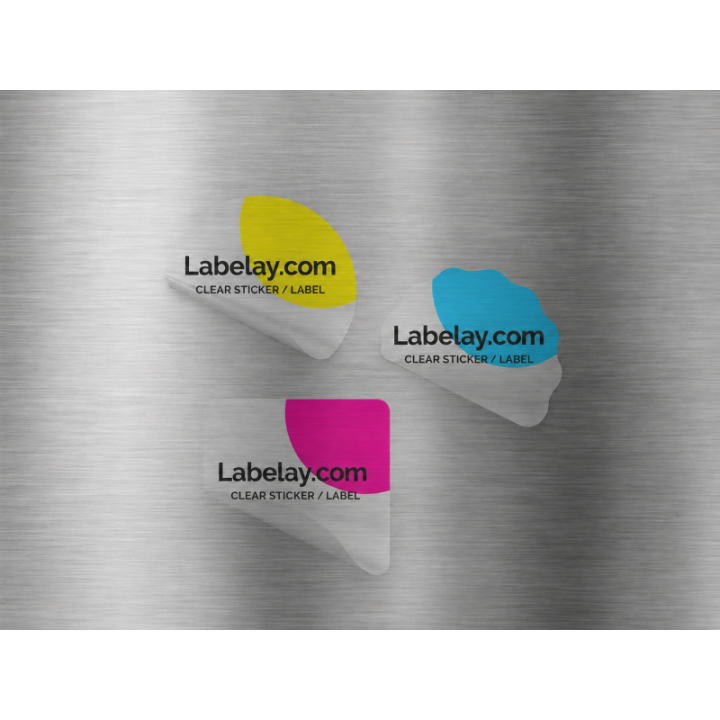
White ink is what turns clear label artwork from transparent color into controlled opacity. Learn the difference between white underprint and spot white, when each is useful, and how to prepare artwork that communicates the intended result.
A label that survives a few splashes is not automatically suited to ice buckets, repeated condensation or long exposure to moisture. Learn how material, surface, adhesive contact and real-world use affect label durability.
Clear and white film labels can use the same artwork and still create very different packaging. This guide explains how visibility, white ink, color, container surface and brand style should influence your choice.